
What to consider when applying
for your first credit card
Opening your first credit card account is one of the most effective ways to establish a credit history. However, how you use that card may have a big impact on your personal finances.
Before finishing your first application, it’s important to take the time to learn how credit cards work and about the common growing pains that some new cardholders experience. Learn more about what opening your first credit card entails, the best types of credit cards for beginners, and how to prequalify for a card.
What to consider about your first credit card

Before you apply for your first credit card, there are a number of factors to consider. For example, if you are new to credit, you may have trouble getting approved for cards that require an established credit file or a high credit score.
However, there are a few different types of credit cards that may be a good fit for credit beginners.
- Secured credit cards: This type of card requires a cash deposit that serves as your credit limit. Otherwise, it works the same as a regular card. With responsible use after a period of time, you may be able to upgrade to an unsecured card and receive your deposit back.
- Student credit cards: Some cards are designed for college students to help them build credit. These products typically come with a lower credit limit, but they offer cardholders a path to “graduating” to a regular card.
- Starter credit cards: These cards may have less stringent qualifications or a lower credit score minimum, so they’re sometimes promoted as being “fair credit” cards.
Once you choose a type of credit card, you can compare potential cards’ terms and benefits to find the best match for your needs. If you’re interested in credit card rewards, consider the type of spending you do most and how you’d like to use your earnings to find a card that aligns with your preferences.
Establishing credit
When you get your first credit card, you begin your credit score journey. The moment you open a credit account, the credit issuer will begin reporting your account activities to the major credit bureaus.
After a few months, those same bureaus will generate your first credit scores and you’ll begin to establish your credit. Some credit cards let you see your credit score for free on their mobile app, online portal, or even your monthly statement, so you can watch it grow over time.
Other cards aimed at new cardholders may offer credit education, automatic credit line increases, or rewards and perks for healthy credit behavior. Following good financial habits is one step toward building a strong credit history.
Minimum payments and late fees
The most impactful factor in the credit score calculation is your payment history, according to Experian. This is why it’s very important to make at least the minimum payment on time each month. One strategy to consider is setting up autopay from your checking account for your minimum payment so you’ll never be late.
If you do make a late payment, the card issuer may charge you a late fee when you miss your due date. Some companies also impose a penalty APR if you make late payments, which will likely be higher than your regular purchase APR. There are some credit cards geared toward new users that waive the late fee for a first offense or not charge them at all, but that does not mean you will avoid the impact on your credit score.
Once 30 days pass, the missed payment will be reported to the credit bureaus and likely lead to a decrease in your credit score. This negative mark will also remain on your credit report for up to seven years, per Experian.
Credit card interest rates
A card’s interest rate is important because it will determine how much you pay if you carry a balance on your account. The interest rate is usually expressed as the annual percentage rate (APR). When comparing cards, the APR is often one of the main factors consumers consider.
Review and compare credit card rewards
Even as a first-time credit user, there may be cards available to you that earn rewards. There are different types of rewards credit cards that appeal to different spending styles, but the main two categories are cash back and rewards points.
Cash back credit cards let you earn a percentage back on the purchases you make. Sometimes, it may be a flat rate cash back (like 1% or 1.5%) for all eligible purchases. Other cards may have bonus cash back for certain spending categories such as groceries or gas.
Rewards credit cards let you earn points that you can redeem for different rewards, such as hotel stays, flights, gift cards, merchandise, and statement credits. Similar to cash back cards, there are rewards cards with flat rate earnings as well as cards that have bonus points for particular types of spending, such as travel or dining.
Check your credit score and credit report
You’re applying for your first card, but did you know you may already have a credit score and history? For example, if you were an authorized user on a parent’s card or have installment loans in your name, you will see those activities reflected on your credit reports and credit score.
Before you apply for your first credit card, you can check your credit score and review your credit reports online. If you discover that you already have a score in the “good” range, for example, you may be able to qualify for more card options.
See if you pre-qualify for a credit card
Every time you apply for a line of credit, that triggers a “hard inquiry” on your credit. A hard inquiry occurs when a credit issuer or lender checks your credit report to determine if you meet the qualifications for the card, according to Experian. Hard inquiries cause a temporary drop in your credit score, which is why experts recommend that you apply for new credit sparingly.
An exception to that rule is if a card issuer offers prequalification, which allows you to see if you’re likely to be approved for a credit card without a hard inquiry. Prequalification status is not a guarantee that the issuer will approve your official application, but you may find it helpful for gauging your creditworthiness while searching for your first card.
Summary
When applying for your first credit card, it may be beneficial to look for credit cards for building credit. As you build your credit over time, you may gain access to a wider selection so you can choose the credit cards that bring you the most value.



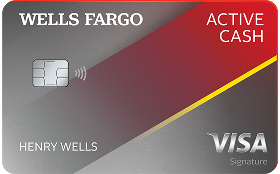
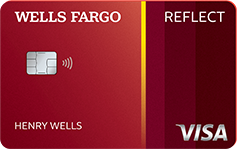
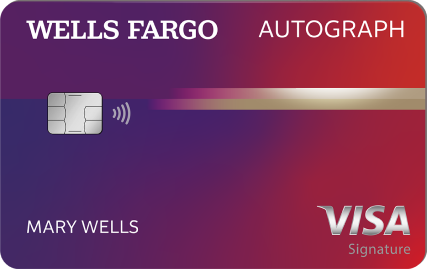
Experience more as a Wells Fargo credit cardholder
From cash rewards to low intro APR, to rich rewards – Find the credit card that’s right for you. That’s real life ready.
Find the credit card
that's right for you.
