
How to maximize rewards
when booking travel
If you’re planning a trip, you have likely discovered that travel costs, including airfare and hotel rooms, have become more expensive. That’s why many people are using a variety of strategies to help offset their travel expenses. One popular tactic is redeeming credit card travel rewards earned with travel credit cards through a straightforward spending journey.
Many shoppers are able to significantly reduce their travel costs by using travel rewards. In some cases, it’s possible to earn free flights or free hotel stays. Or you may be able to request a statement credit on your travel spending. It all depends on the type of travel rewards credit card you choose and how its specific rewards program works.
In addition to earning rewards points or miles, travel rewards credit cards typically come with a suite of travel benefits that provide extra value and savings. For example, you may get perks like free room upgrades, priority check-in, or airline fee credits.
Before you book your next trip, learn more about how to maximize your travel rewards.
Travel rewards credit cards
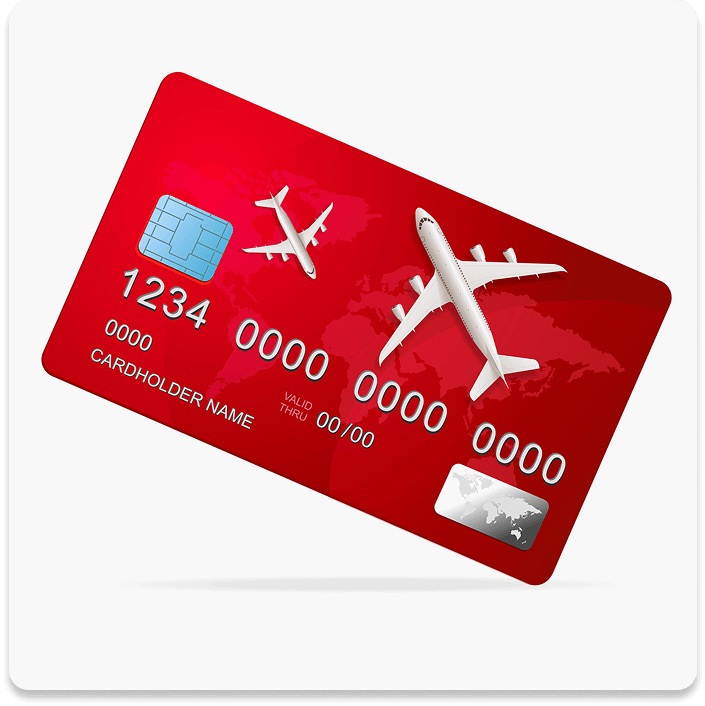
Travel rewards credit cards offer rewards programs specifically aimed at people who travel. Unlike cash back cards that give you a percentage back when you make a purchase, travel cards accumulate points or miles. Program rules and redemption options vary by card issuer.
Different types of cards
There are different types of travel rewards credit cards. General rewards cards are typically the most flexible, allowing you to use your rewards points in several ways. Some card issuers have their own travel portals, where you can book travel directly using your points. Others allow you to transfer points into partner loyalty programs. There are also some that let you pay for travel and then redeem points for a statement credit afterward.
Another type of rewards credit card is a co-branded card which is tied to a specific hotel chain or airline loyalty program. With these cards, the goal is to earn free flights or free nights at hotels. They can also help you climb to higher tiers or elite status levels within the loyalty programs and frequent flyer programs, which further boosts your benefits.
Additional benefits
Travel rewards cards usually offer sign-up bonuses and categories that earn bonus points to help cardholders reach their goals faster. These cards sometimes have travel-related benefits as well, such as waiving foreign transaction fees, various trip insurances, and travel protections. Some of the more premium travel cards charge an annual fee, but they usually come with VIP-type benefits like airport lounge access.
How to maximize rewards when traveling

Travel rewards credit cards can be lucrative if you use them strategically. You’ll usually need a healthy credit score to qualify for the best travel credit cards, so keep that in mind when you shop around. Consider these tips to get the most out of your travel rewards.
- Decide if you want a general rewards card or a co-branded airline or hotel card. Redemption flexibility is usually a major selling point for travel rewards credit cards. You may also be able to use rewards for gift cards, statement credits, and other options. If you’re loyal to one specific airline and frequently travel, or you prefer to stay with one hotel chain, consider whether the brand-focused features of a co-branded travel card are worthwhile. For example, you may get free checked bags, in-flight discounts, priority boarding, late checkout, and other perks on top of the rewards program itself.
- Consider a card that offers bonus points in your main spending categories. The main way you’ll earn points is by making purchases, and some cards offer bonus points when you shop in certain categories. For example, a card may offer three points per dollar spent on travel and dining, while another may have a bonus rate on gas and groceries.
- Use in tandem with hotel loyalty programs and frequent flyer programs. When booking flights or hotel stays, a loyalty program can help you earn discounts. If you fly or stay frequently with one provider, you could eventually earn higher-tier status in those programs and unlock access to even more benefits. General travel cards often partner with some of these programs, letting you transfer your points over. With airline cards or hotel cards, you’ll be earning the loyalty points or airline miles directly.
- Earn the welcome bonus. Many travel credit cards attract new applicants by offering big sign-up bonuses. You usually need to meet a spending requirement within a few months of account opening. Doing this will give you a big boost of points up front.
- Consider booking through the travel portal. Some card issuers have their own travel portals that let cardholders book travel. You can often get extra points by using them. With some cards, using the portal may be the only way you can redeem your points.
- Look for the best redemption value. In general, you’ll want to choose a redemption method where one point or one mile equals at least one cent. Some redemption options may be worth less, such as redeeming your points to shop at a retail partner. Keep this in mind as you use your points, because you may get the most out of them by helping to pay for your travel.
- See if you get more value if you transfer points to travel partners. The cardholders who maximize their rewards credit cards most are the ones willing to crunch the numbers. For instance, let’s say you want to book a flight. You can compare how many points you’d use to book through the card’s travel portal, versus transferring the points to an airline program and booking with them directly. After finding out the points for both, you’ll be able to choose the less costly option.
- Stretch your points further by flying or staying off peak. There are certain dates and times that cost more to fly or stay, such as weekends or holidays. If you have some flexibility, see if leaving or staying on a different day or choosing a different flight time may let you keep more of your points.
- Explore your card perks and use them. Letting benefits and perks go unused can end up costing you money. Look carefully at your card offers and take advantage. You may be entitled to a credit on rideshares, free checked bags on your round-trip flight, a yearly travel credit, or a free companion ticket once per year. You’ll usually have to activate these types of perks or use them within a certain timeframe. Read the fine print carefully.
- Don’t let credit card points sit for too long. While many travel cards tout the fact that points do not expire, credit card issuers are allowed to make adjustments to program rules at any time. While you can certainly save points for a trip you’re planning to book in the near future, you could be risking a loss of value if points go unused for longer periods of time.
- Avoid carrying a balance. When you’re focused on earning rewards that will save you money, you don’t want to end up overspending and carrying a balance. If you do, you’ll pay interest charges, which can offset your earnings.
- Evaluate if a card with an annual fee is worth it for you. If you’re new to travel rewards, it probably makes sense to start off with a no annual fee card. But once you’re used to how travel cards work, it may be worth upgrading to a card with an annual fee. These cards are especially useful if you travel often. Analyze your spending patterns and factor in additional benefits that provide value to help determine if you can outearn the fee.
Conclusion
As the cost of travel fluctuates, smart consumers are looking for ways to save. One strategy is to leverage travel credit card offers that match your spending and travel style. Once you choose a card, consider the tips in this article as a way to maximize your rewards and take advantage of special cardholder perks.



Experience more as a Wells Fargo credit cardholder
From cash rewards to low intro APR, to rich rewards – Find the credit card that’s right for you. That’s real life ready.
Find the credit card
that's right for you.
